
You said something a bit weird.
Someone looked at you in a way you couldn’t quite read.
A conversation ended slightly awkwardly.
And now your brain has decided this tiny moment needs a full investigation, emotional autopsy, and late-night replay session.
You keep thinking, “Why did I say that?” or “They definitely think I’m strange now.” Maybe you try to distract yourself, but the moment keeps popping back up like your brain has pinned it to the front of your mind.
If you’ve ever wondered why you replay awkward moments for hours, or why one tiny social mistake can make you feel embarrassed all day, this is usually where the pattern begins.
1. Your Nervous System Reads Awkwardness As Rejection
When something awkward happens, your body can react before your logical mind has even caught up.
A strange silence, a flat reply, a facial expression, or a joke that didn’t land can trigger your nervous system to scan for danger. In this case, the “danger” is social rejection, but this usually happens underneath conscious awareness.
So you may never actively think, “I might be rejected right now.”
Instead, you just feel it.
Your stomach drops. Your face gets hot. Your chest tightens. Your mind starts racing. Suddenly, something small feels much bigger than it logically should.
That is because your body is responding to an old underlying belief, something buried deeper in the subconscious, like:
“Did I mess this up?”
“Am I still accepted here?”
“Have I made myself unsafe socially?”
“Are they seeing me differently now?”
The awkward moment stops feeling like a small social blip and starts feeling like a threat to your belonging. That is why your reaction can feel so intense, even when part of you knows the situation probably was not that serious.
If this sounds familiar…
If this sounds familiar, your nervous system may have a very specific stress pattern that makes social moments feel heavier than they need to.
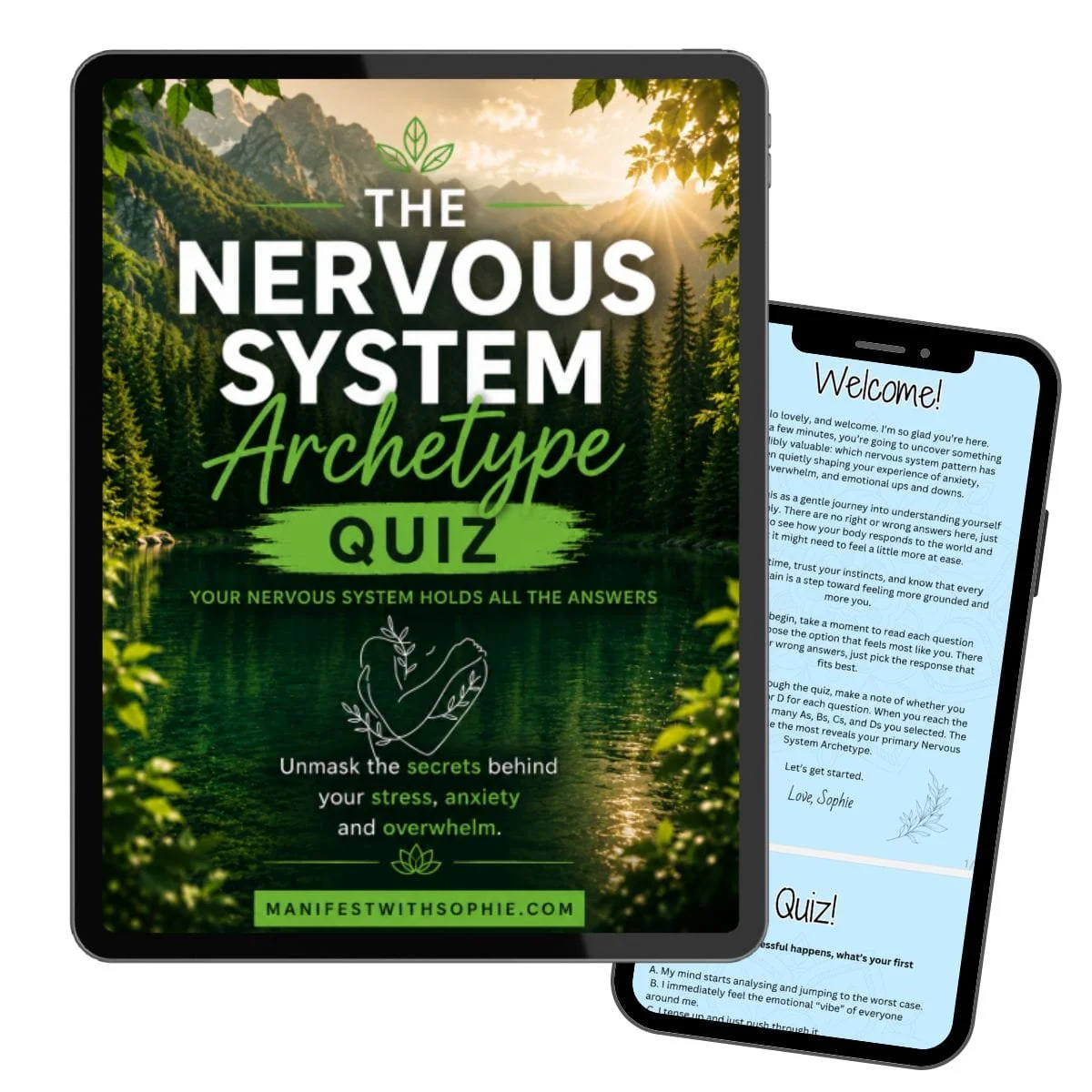
My free Nervous System Archetype Quiz helps you understand how your body responds to stress, rejection, overwhelm, and emotional discomfort, so you can finally stop guessing why you react the way you do and start working with your system in a way that actually makes sense.
2. Your Mind Starts Filling In The Blanks
The awkward moment itself might have lasted ten seconds.
Your mind turns it into a full story.
“They think I’m rude.”
“They think I’m awkward.”
“They probably don’t like me now.”
“They’ll tell someone else.”
“Everyone noticed.”
This is where the spiral gets painful, because you are no longer reacting to what actually happened. You are reacting to what your mind decided it meant.
A short reply becomes proof they’re annoyed.
A weird look becomes proof they judged you.
A quiet moment becomes proof you made things uncomfortable.
Your brain fills in every blank with the worst possible meaning, then your body responds as if that meaning is true.
People with high-functioning anxiety often spend hours analysing interactions while appearing completely fine on the outside.
3. You Replay It To Prevent Future Embarrassment
Replaying the moment can feel like torture, but your brain thinks it is helping, that’s why the overthinking feels impossible to stop.
It keeps going back over the same scene because it wants to figure out what went wrong. It wants to stop you making the same “mistake” again. It wants to protect you from feeling embarrassed, rejected, or judged in the future.
If this replaying happens across lots of different situations, my full guide on how to stop overthinking explains why your mind gets stuck in these loops and how to calm them at the source.
So you analyse your tone. Your wording. Their face. Their response. The exact second the vibe changed.
You think of better things you could have said. Funnier things. Smarter things. Softer things. Less awkward things.
But instead of freeing you, the replay keeps the emotional charge alive. Your brain keeps bringing the moment back, and your body keeps reacting like it is happening again.
4. It Triggers An Old Fear About Who You Are
One awkward moment often hurts more when it touches a fear you already carry.
Maybe deep down, you worry you are too much.
Or too quiet.
Or weird.
Or difficult.
Or boring.
Or easy to misunderstand.
So when something awkward happens, your brain grabs it as evidence.
“See? This is what I’m like.”
That is why it can feel so big. It is rarely just about that one moment. It is about what the moment seems to confirm about you.
This is especially common if you have spent years monitoring yourself around other people. If you are used to trying to say the right thing, act the right way, and avoid being judged, awkwardness can feel like a personal failure rather than a normal part of being human.
5. You Let Their Imagined Opinion Decide Your Worth
Sometimes the most painful part is that you do not even know what the other person thought.
You are reacting to an imagined opinion.
You imagine they judged you, disliked you, misunderstood you, or saw you differently, then your whole mood drops because your sense of self gets handed over to that imagined version of them.
Suddenly, their possible thought becomes more powerful than what you know about yourself.
You forget your intention.
You forget all the normal, kind, funny, thoughtful things you have ever said.
You shrink yourself down to one awkward moment and let it define the entire day.
How To Start Taking Your Power Back
The next time one awkward moment ruins your whole day, pause and ask yourself:
“What actually happened?”
Then ask:
“What story did my mind add to it?”
Those are usually two different things.
Maybe you stumbled over your words. Maybe there was a slightly weird silence. Maybe someone replied differently than you expected. (If you struggle with these kinds of thoughts, this post will help you: How To Beat Victim Mentality: 10 Valuable Lessons I Learned The Hard Way)
That does not automatically mean you were judged, rejected, disliked, or seen badly.
Awkward moments happen because conversations are human, and humans are messy sometimes. You are allowed to have a weird moment without turning it into proof of who you are.
The real shift starts when you stop treating every awkward interaction like a verdict on your worth.
One moment does not get to decide your whole identity.
One person’s possible opinion does not get to run your nervous system for the rest of the day.
You can come back to yourself, remind yourself what actually happened, and let the moment be small again. Take the free Nervous System Archetype Quiz below to understand your stress pattern and start finding your way back to calm, confidence, and emotional safety.
