
5 Signs You Care Too Much About What People Think
You tell yourself you'll stop caring what people think.
Then someone replies with a slightly different tone, looks a bit distant, or seems less enthusiastic than usual, and suddenly it's all you can think about.
Your brain starts searching for answers.
Did I say something wrong?
Are they annoyed with me?
Do they still like me?
Before long, you're replaying conversations, analysing tiny details, and feeling responsible for other people's reactions.
For many people, this feels like a confidence problem. In reality, your nervous system often plays a much bigger role than you realise.
When your nervous system learns that rejection, criticism, conflict, or exclusion feel unsafe, it becomes highly aware of other people's moods, opinions, and reactions. It starts scanning for signs that you're accepted, liked, and safe.
The result? You can end up spending more energy managing other people's perceptions than actually enjoying your own life.
If any of that sounds familiar, these five signs might explain more than you think.
If you're constantly overthinking conversations, worrying what people think, or feeling affected by other people's moods, your nervous system may be stuck in a pattern you don't even realise is running the show.
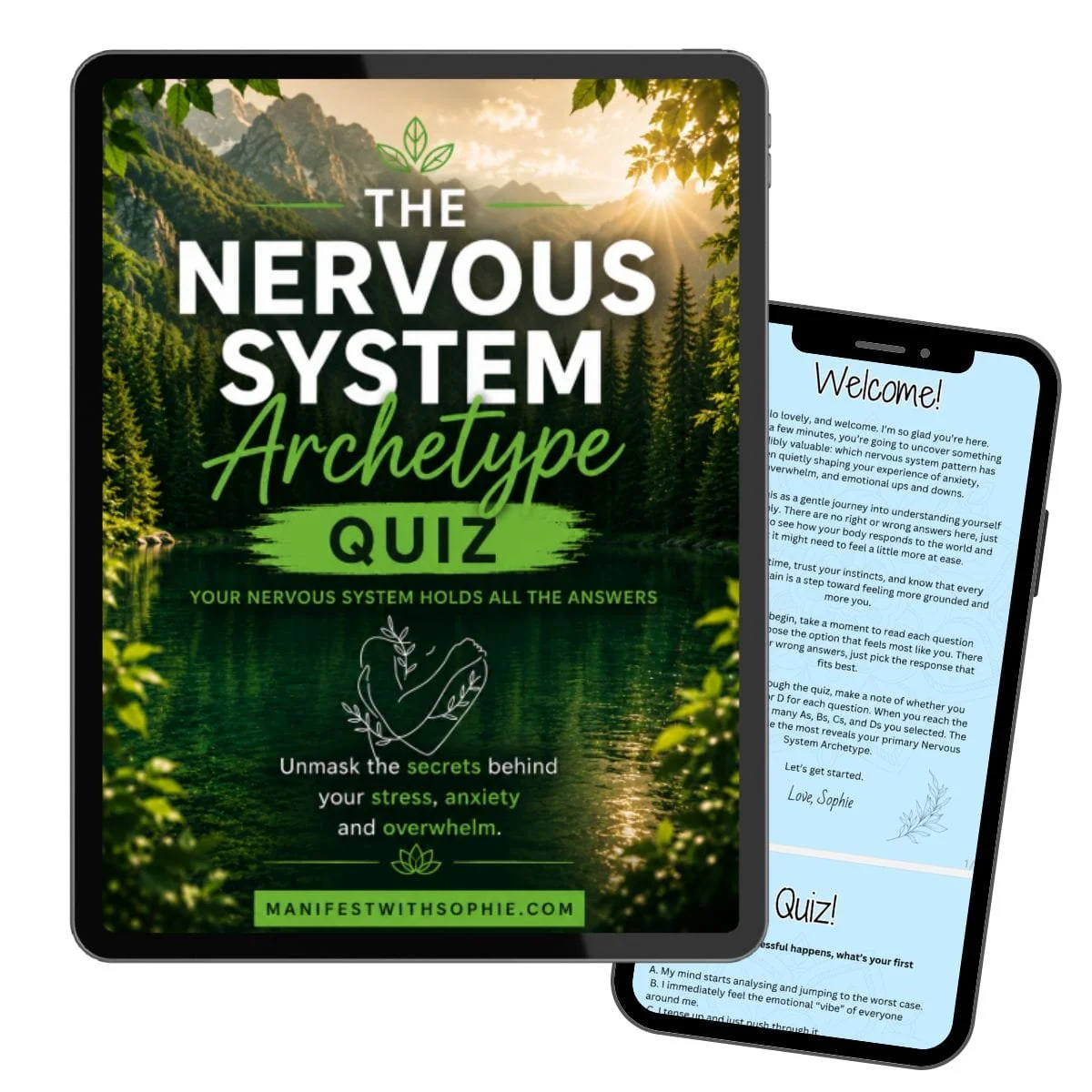
Take my free Nervous System Quiz to discover your unique nervous system archetype.
1. You Replay Conversations Long After They've Ended
The conversation finished three hours ago.
The other person has probably moved on with their day.
Meanwhile, you're still thinking about that one comment you made.
Maybe you wonder if it sounded awkward. Maybe you think your joke fell flat. Maybe you're analysing their facial expression for clues about what they really thought of you.
Sometimes the replay starts before you've even left the room.
You find yourself mentally editing conversations, coming up with better answers, or imagining what you should have said instead.
When you care too much what people think, everyday interactions can feel like performances that are constantly being reviewed.
2. You Change Your Personality Depending On Who You're Around
Around one group of people, you're quiet.
Around another group, you're chatty.
Around some people, you're careful with every word. Around others, you're much more relaxed.
A certain amount of this is normal. Different situations bring out different parts of our personality.
The problem starts when you're constantly adjusting yourself to fit what you think other people want.
You exhaust yourself trying to fit into different dynamics.
You find yourself checking whether you're being funny enough, friendly enough, interesting enough, smart enough, or easy-going enough.
After a while, it becomes difficult to know which version of you feels most natural.
3. Someone's Mood Can Ruin Your Entire Day
Your colleague seems quieter than usual.
A friend replies with a short text.
Your partner sounds slightly different on the phone.
Suddenly, your brain starts searching for answers.
Did I do something wrong?
Are they upset with me?
Did I say something?
Hours later, you're still carrying the emotional weight of an interaction that may have had nothing to do with you.
When you care too much what people think, other people's moods can start feeling like your responsibility.
If worrying about other people’s opinions sends you into replaying conversations or analysing everything you said, my full guide on how to stop overthinking explains why your mind gets stuck in these loops and how to calm them.
4. You Struggle To Say What You Really Think
You know exactly what you want to say.
The words are sitting there ready.
Then something stops you.
Maybe you stay quiet during a disagreement.
Maybe you agree with plans you don't actually want.
Maybe you say "that's fine" when it really isn't.
Part of you wants to be honest. Another part worries about disappointing someone, creating tension, or being viewed negatively.
Over time, this habit can leave you feeling frustrated because your real thoughts and feelings rarely get much airtime.
5. Your Self-Worth Changes Depending On How Other People Respond To You
A compliment makes you feel amazing.
A criticism stays in your head for days.
Being included feels fantastic.
Being overlooked feels painful.
Your confidence rises and falls depending on how other people react to you.
It's a bit like handing everyone else the remote control to your self-esteem.
On good days, you feel great.
On difficult days, your confidence can disappear surprisingly quickly.
Why You Care Too Much What People Think
If these signs felt familiar, there is a good chance this pattern runs deeper than confidence alone.
When your nervous system gets stuck in survival mode, it becomes highly focused on anything that could affect your sense of safety. For some people, that means becoming extremely aware of other people's moods, reactions, opinions, and body language.
A delayed text reply feels important.
A change in someone's tone feels important.
A look across the room feels important.
Your brain starts gathering information and trying to work out whether you're accepted, liked, included, and safe.
Over time, this can become so automatic that you barely notice you're doing it.
Instead of asking, "What do I think about this?" your attention naturally moves towards, "What do they think about me?"
This is why caring too much what people think can feel so exhausting. You're constantly monitoring the people around you, analysing interactions, adjusting your behaviour, and trying to prevent rejection before it happens.
Once you understand the nervous system pattern underneath these behaviours, everything starts making a lot more sense. The goal becomes helping your nervous system feel safer, so your confidence, boundaries, and self-trust can grow naturally alongside it.
Discover Your Nervous System Pattern
If these signs felt uncomfortably familiar, your nervous system may be playing a bigger role than you realise.
Some people become chronic overthinkers. Others become people pleasers. Some stay quiet and avoid conflict. Others constantly seek reassurance from the people around them.
My free Nervous System Quiz helps you discover which pattern is driving your thoughts, behaviours, and reactions.
Once you know your nervous system archetype, you'll have a much clearer understanding of why you respond the way you do and what will help you feel calmer, more confident, and more like yourself.
Take the free quiz and discover what your nervous system has been trying to tell you.
