
Taking care of your nervous system doesn't have to mean adding another complicated routine to your already busy life. Sometimes, the simplest things can make the biggest difference.
One of the most important parts of nervous system regulation is helping your body experience a sense of safety.
When your nervous system begins to recognise that you're safe, it can gradually shift out of that heightened stress response and into a calmer, more restorative state. This is sometimes called down-regulation.
And the lovely thing is, you don't always need special techniques to encourage this.
Here are 7 ways to take care of your nervous system through small, gentle acts of self-care that help your body feel calmer, safer and more supported.
1. Do More Things That Genuinely Make You Feel Good
When was the last time you did something simply because it made you feel good?
Not because it was productive, useful or something you should be doing. Just because you enjoyed it.
Maybe it's going for a drive and singing your heart out to your favourite songs, watching a comforting TV show (perhaps give the true crime a miss!), or sinking into a lovely warm bath.
Whatever it is, start paying attention to how you actually feel when you're doing these things.
Do your shoulders relax? Does your breathing soften? Do you feel lighter, happier or more at ease?
This is where the somatic element comes in. Somatic awareness simply means noticing what's happening in your body, rather than focusing only on your thoughts.
When you consciously choose experiences that feel pleasant and notice the comfort they bring, you're giving your nervous system opportunities to experience calm, enjoyment and safety.
These little moments might not look like traditional nervous system regulation exercises, but they can be a meaningful part of supporting your nervous system.
And perhaps just as importantly, you're reminding yourself that your happiness and comfort matter too.
2. Give Yourself Permission to Have a Duvet Day
If your days are constantly filled with work, errands, responsibilities and looking after everyone else, when do you actually get to stop?
And I mean really stop.
Every so often, try planning a day where you have absolutely nothing you need to achieve.
Put on your comfiest pyjamas, grab a fluffy blanket, make yourself a lovely hot drink and create a warm, cosy little space where you can simply relax.
Watch films, read, nap, cuddle your pet or do absolutely nothing at all.
The important part? Let go of everything you think you should be doing.
If your mind keeps reminding you about the laundry, emails or tomorrow's responsibilities, write everything down on a piece of paper.
Now it's out of your head and safely on paper. You won't forget it.
Give yourself permission to put it aside for one whole day.
When you're constantly on the go, your body can become accustomed to that feeling of urgency.
Taking intentional time to rest gives your nervous system a chance to recover without constantly responding to the next demand.
Rest isn't something you have to earn. It's something you need and deserve.
3. Give Yourself a Proper Hug
Before you roll your eyes at this one, hear me out!
Wrap your arms around yourself, close your eyes if that feels comfortable, and give yourself a proper, loving hug.
Not a quick little squeeze before moving on.
Really sink into it.
Imagine you're hugging someone you love deeply. Hold yourself with that same tenderness, warmth and care.
Gentle, comforting touch can be soothing, and some people find that this kind of self-hug helps them feel more grounded and secure.
But there's another beautiful reason to practise this.
You're learning to offer yourself the same love and comfort you so freely give to other people.
Over time, treating yourself with this kind of compassion can help strengthen your relationship with yourself.
And when you begin recognising that your feelings and needs matter, it can become easier to set boundaries, honour your limits and stop constantly pushing yourself beyond what feels manageable.
All of which can help reduce unnecessary stress on your nervous system.
4. Go for a Slow Walk (And Don't Make It Exercise!)
This isn't about getting your steps in, burning calories or walking a certain distance.
In fact, I'd encourage you to forget all of that.
Instead, go somewhere you find beautiful or interesting and take a really slow, leisurely walk.
It could be through a peaceful woodland, around a pretty neighbourhood or somewhere with lovely seasonal decorations.
At the moment, there are Halloween decorations and twinkling lights appearing outside houses as I write this in October, and I love the idea of taking a slow walk just to enjoy looking at everything.
There's no destination you need to reach quickly.
Notice the colours around you. Listen to the birds, the rustling leaves or the sounds of everyday life.
Let yourself be curious about your surroundings.
This gentle awareness is a form of grounding, helping bring your attention away from racing thoughts and back into the present moment.
Slowing your pace can also help you step away from that constant sense of urgency. Walk SLOWLY, there is no destination, only enjoyment.
Rather than rushing through another activity, you're giving yourself permission to simply be.
And sometimes, that's exactly what an overwhelmed nervous system needs.
5. Practise Gentle Nervous System Regulation Exercises
While everyday comforting activities are wonderful, setting aside a few minutes for intentional nervous system regulation practices can also be incredibly helpful.
Some simple techniques include:
Slow, gentle breathing: Helps encourage relaxation and can support your body's natural calming response.
Somatic shaking: Gently moving or shaking your body can help some people release physical tension and feel more relaxed.
EFT tapping: Combining gentle tapping with supportive words can be a calming ritual and helps to regulate the nervous system.
You don't need to spend an hour doing these practices.
Even a few minutes can give you an opportunity to slow down, reconnect with yourself and notice what your body needs.
The important thing is to find practices that genuinely feel supportive to you, rather than forcing yourself through techniques that feel uncomfortable.
If you'd like to explore these practices in more detail, my Nervous System Reset Starter Guide walks you through gentle ways to support your nervous system and build a greater sense of calm.
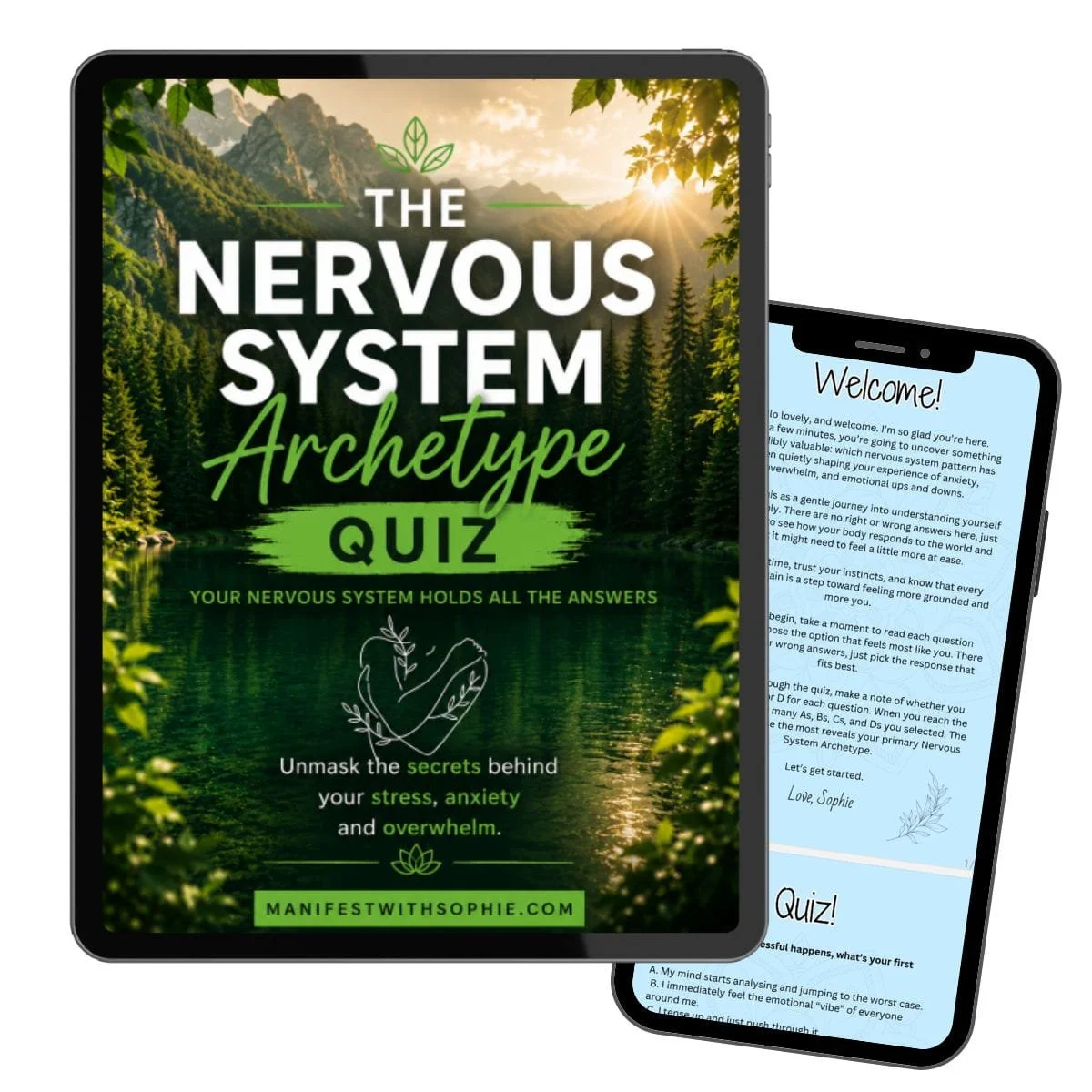
Or if you want to finally understand why your nervous system responds the way it does, take my free Nervous System Archetype Quiz.
You'll discover the four different nervous system archetypes, how your experiences may have shaped your own patterns, and the best ways to support and regulate your nervous system based on your unique responses to stress.
So, which nervous system archetype are you?
6. Spend a Few Minutes Cuddling Your Pet
If you have a dog or cat, this is probably going to be one of your favourite nervous system care activities!
Find somewhere comfortable, settle down beside your furry friend and spend a few minutes gently petting them.
Rather than scrolling on your phone or thinking about everything you need to do, try to be fully present.
Notice how soft their fur feels, the warmth of their body and the gentle rhythm of your movements.
Positive interactions with pets can help reduce feelings of stress and encourage relaxation. Affectionate contact may also support bonding through hormones such as oxytocin.
And if your pet enjoys being petted, it can be a lovely, calming experience for them too.
It's such a simple way to slow down, connect and enjoy a moment of comfort together.
Sometimes, looking after your nervous system can be as easy as cuddling your dog on the sofa.
7. Get Everything Out of Your Head Through Journaling
Have you ever noticed how much more overwhelming everything feels when it's all swirling around inside your head?
The worries, the things you need to remember, the emotions you haven't quite processed and the endless what ifs.
Journaling gives those thoughts somewhere to go.
Grab a notebook and write down whatever is on your mind.
It doesn't need to make sense. It doesn't need to be beautifully written. Nobody else needs to read it.
Just let everything out.
Writing about your thoughts and feelings can help you organise what's happening internally, make sense of difficult emotions and reduce the mental effort of trying to hold everything in your head.
You might find that once your worries are written down, they feel a little less overwhelming.
And when your mind feels less consumed by everything happening at once, your body may find it easier to settle too.
Think of journaling as giving yourself a little breathing room.
You don't have to solve everything. Sometimes, simply acknowledging how you feel is enough for that moment.
10 More Gentle Ways to Support Your Nervous System
Looking for a few more ideas? Here are ten simple ways to bring more moments of calm and comfort into your day.
Listen to calming music or soothing nature sounds.
Sit outside and enjoy the warmth of the sunshine.
Wrap yourself in a soft, cosy blanket.
Spend a few minutes gently stretching your body.
Light your favourite scented candle.
Enjoy a warm, comforting drink without distractions.
Spend time with someone who makes you feel safe and accepted.
Try a relaxing creative activity, such as colouring or painting.
Reduce unnecessary noise and stimulation when you're feeling overwhelmed.
Take a few moments to notice and appreciate the little things that make you happy.
Remember, Nervous System Care Doesn't Have to Be Complicated
You don't need a perfect morning routine, hours of meditation or another long list of things to achieve.
Often, taking care of your nervous system begins with something much simpler.
Slowing down. Listening to your body. Making space for enjoyment. And allowing yourself to feel cared for.
Not every moment needs to be productive, and not every uncomfortable feeling needs to be fixed immediately.
Your nervous system will naturally move between different states throughout the day. The goal isn't to feel calm every second, but to create more opportunities for rest, connection and recovery.
So start small. Choose one or two things that genuinely make you feel good, and allow yourself to enjoy them without guilt.
Because taking care of yourself isn't another responsibility to squeeze into your day.
It's a way of reminding yourself that you deserve to feel good, too.
If you've ever wondered why your nervous system responds to stress the way it does, you can take my free Nervous System Archetype Quiz to explore your personal stress patterns and learn more about what might help you feel supported.
