
7 Reasons You Panic When Someone Is Upset With You
(And Why You Can't Just Let It Go)
Your friend is annoyed because you cancelled plans.
Your boss isn't happy that you can't stay late.
Your partner is frustrated because you've said no to something they wanted to do.
Or maybe a family member is upset because you've finally set a boundary.
None of these situations make you a bad person. You're allowed to stay home. You're allowed to say no. You're allowed to make decisions that work for you.
But instead of feeling confident in your choice, you panic.
Your stomach drops. Your heart starts racing. You can't stop thinking about it. Part of you wants to backtrack, apologise, explain yourself, or do whatever it takes to make the other person happy again.
You find yourself replaying conversations, questioning whether you've done the right thing, and feeling consumed by the need to fix the situation. Even if you know you've done nothing wrong, someone being upset with you can feel almost unbearable.
Many people struggle with conflict, criticism, disapproval, and a fear of upsetting other people.
On the surface, it can seem like a confidence issue, but for many people it runs much deeper than that.
The way you react when someone is upset with you is often shaped by your nervous system and the experiences that taught it what feels safe and what doesn't.
If this is part of a bigger pattern where your brain analyses conversations, decisions and everything that could possibly go wrong, my full guide on how to stop overthinking explains what is keeping the loop going and how to calm it.
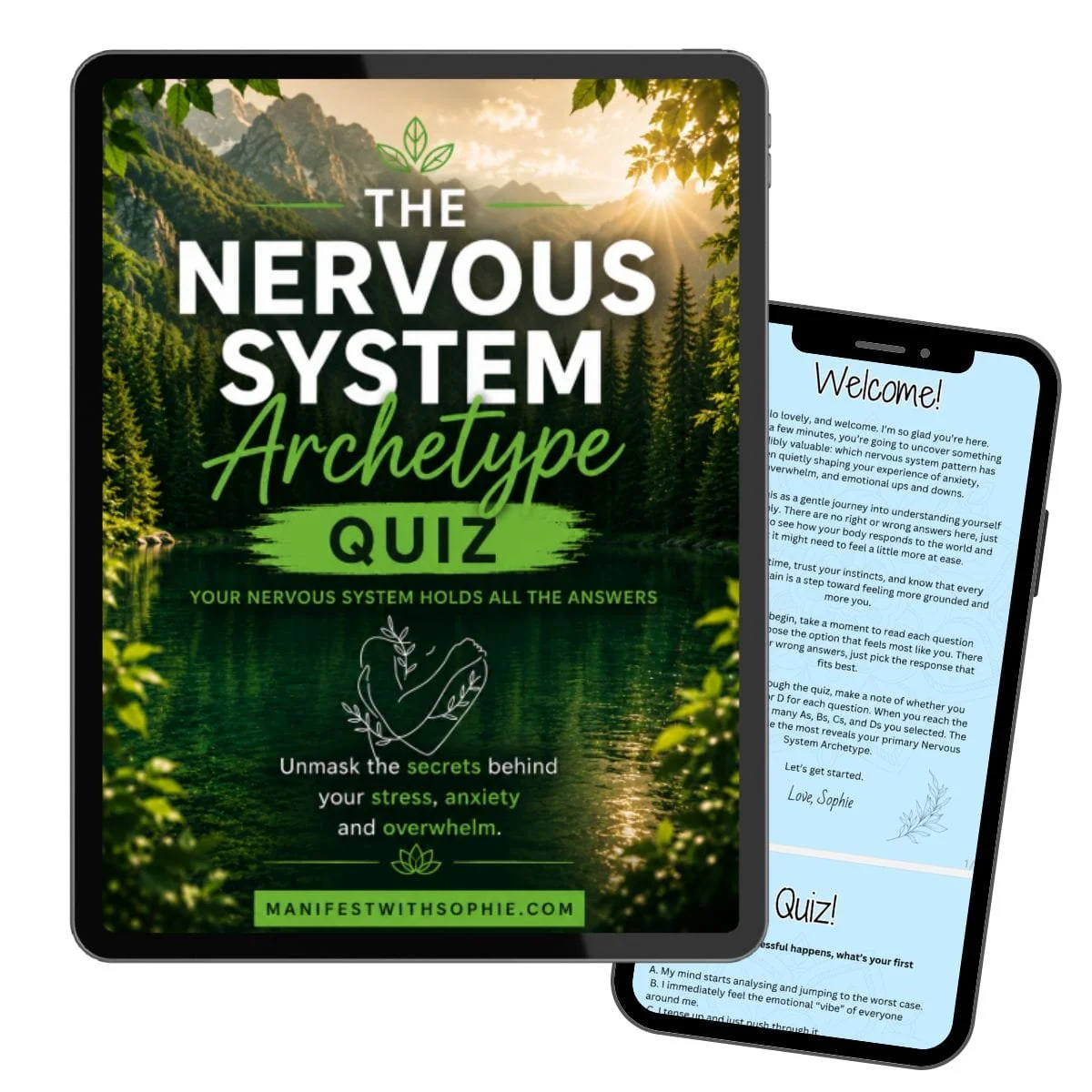
Before we continue, if you often struggle with overthinking, people-pleasing, anxiety, or worrying about what other people think of you, take my free Nervous System Quiz to discover which nervous system pattern may be driving it and what will help you feel calmer, safer, and more confident.
Why Do I Panic When Someone Is Upset With Me?
If you've ever wondered why someone being upset with you feels so overwhelming, these are some of the most common reasons why.
1. You Assume Someone Being Upset Is Your Fault
When someone is upset with you, you immediately feel like you're in the wrong.
If you cancelled plans with a friend because you were exhausted and needed to rest, you start telling yourself that you're a bad friend. You worry they're angry with you, disappointed in you, or thinking negatively about you because you didn't go.
Instead of recognising that you're allowed to look after yourself, your mind starts searching for ways you could have avoided the situation altogether. You tell yourself you should have just pushed through and gone out, even though you didn't want to.
You replay the conversation in your head, overthink your decision, and wonder what you could have done differently so that nobody ended up upset with you.
But the truth is that other people are allowed to feel disappointed sometimes. You're allowed to say no. You're allowed to prioritise your own needs. And it's not your responsibility to manage everyone else's emotions.
2. Why Someone Being Upset Feels Like An Emergency
For many people, it's uncomfortable when someone is upset with them. For others, it feels unbearable.
You feel a strong urge to apologise, explain yourself, smooth things over, or make the other person happy again as quickly as possible. You don't want to wait until tomorrow. You don't want to sit with uncertainty. You want the problem solved now.
Because as long as someone is upset with you, your nervous system doesn't feel safe.
This is why the urge to fix it feels so intense. Your nervous system has gone into high alert because it believes something important is at risk.
Stress hormones are released, your heart rate increases, and your mind becomes completely focused on making the problem go away.
Think about what would happen if a predator was chasing you. You wouldn't wait until tomorrow to deal with it. You'd take immediate action.
To your nervous system, someone being upset with you feels like a threat that needs your urgent attention, which is why sitting with the discomfort feels almost impossible.
3. Why Conflict And Tension Feel So Uncomfortable
For many people, someone being upset is simply part of being human. Friends get frustrated, partners disagree, family members get annoyed, and colleagues become irritated. Healthy relationships can handle all of those things.
But if you've learned that tension is dangerous, someone being upset can feel like a sign that something is seriously wrong.
This often develops because, at some point in your life, conflict, criticism, or upsetting someone genuinely didn't feel safe.
Maybe someone withdrew from you, became angry, or made you feel responsible for their emotions. You may not consciously remember it, but your nervous system does.
Instead of thinking, "They're annoyed right now, and that's okay," your mind immediately jumps to the worst-case scenario.
You start wondering if you've damaged the relationship beyond repair, whether they're going to pull away from you, stop liking you, or even leave altogether. What began as a moment of disappointment or frustration suddenly feels like a threat to the entire relationship.
When your nervous system struggles with tension, even small amounts of conflict can feel much bigger than they actually are.
That's why someone being disappointed, frustrated, or upset can trigger such a strong emotional reaction, even when you've done nothing wrong.
4. Why Someone Being Upset Makes You Question Your Worth
When someone is upset with you, it doesn't just feel like they're having an emotion.
It feels like you've failed.
A friend being disappointed doesn't simply feel like disappointment. A partner being frustrated doesn't simply feel like frustration. Instead, their reaction starts feeling like proof that you've done something wrong, let someone down, or made a mistake.
You begin questioning your decision, even if it was completely reasonable. You wonder whether you should have handled things differently, said something else, or ignored your own needs altogether.
In some cases, your mind can spiral into thoughts like, "Maybe I'm just not a very good friend," or "Maybe they'd be better off without me."
When your self-worth becomes tied to keeping other people happy, someone being upset with you can feel much bigger than it actually is. It stops being about their feelings and starts feeling like a reflection of your value as a person.
The truth is that somebody feeling disappointed, frustrated, or upset with you doesn't determine your worth.
It doesn't mean you're a bad friend, a bad partner, or a bad person. More often, it's a sign that your mind is overthinking and your nervous system is treating the situation as far more dangerous than it really is.
5. Being Upset With You Feels Like Rejection
When someone is annoyed, frustrated, or disappointed with you, it doesn't just feel like they're reacting to a situation. It feels personal.
It can feel as though they're rejecting you as a person rather than simply disagreeing with a decision you've made.
A friend being disappointed because you cancelled plans can feel like they don't want to spend time with you anymore.
A partner being frustrated can feel like they're pulling away from you. A family member being upset can feel like you've damaged the relationship.
For many people, the fear isn't actually that someone is upset. The fear is what that upset might mean. You start worrying that they won't like you anymore, won't want to be around you, or will see you differently because of what happened.
What began as a temporary emotion suddenly feels like a threat to the entire relationship.
Instead of seeing the emotion for what it is, a normal human reaction that will pass, your mind starts treating it as evidence that your connection with that person is slipping away.
That's why a small amount of tension can trigger such a big emotional reaction. What may have started as a minor disagreement suddenly feels like a threat to your connection, your belonging, and your place in that person's life.
6. Why You Feel Responsible For Keeping People Happy
Growing up, many of us learn lessons about what helps us feel accepted, loved, and safe. Perhaps keeping people happy reduced criticism, avoiding mistakes prevented conflict, or being easy-going and helpful earned approval.
Over time, your nervous system starts learning patterns. If keeping people happy felt safer than upsetting them, it may have learned that other people's approval is incredibly important.
As an adult, that can make disapproval feel much bigger than it actually is.
This is why you might agree to things you don't want to do, avoid setting boundaries, or spend hours worrying that you've upset someone.
The thought of disappointing another person can feel so uncomfortable that you end up putting their needs ahead of your own, even when it leaves you exhausted, frustrated, or resentful.
You may know logically that you're allowed to say no, change your mind, or make decisions that work for you.
But if your nervous system learned that keeping people happy was the safest option, someone being upset with you can feel far more threatening than it actually is.
7. Why Your Nervous System Treats Disapproval Like A Threat
This is often the real reason underneath all the others.
When someone is upset with you, your nervous system doesn't simply register that they're annoyed. It reacts as though something much bigger is at risk.
Your relationship.
Your place in their life.
Their love and affection.
Your place in the friendship group.
Your connection with the people you care about.
That's why your heart races, your stomach drops, and your mind starts desperately searching for a solution. It doesn't feel like a simple disagreement or a moment of frustration. It feels like something important could be taken away from you.
Logically, you may know that someone being upset doesn't mean the relationship is over. But your nervous system isn't responding to logic in that moment.
It's responding to a threat it believes needs your immediate attention.
How To Stop Panicking When Someone Is Upset With You
The way you react when someone is upset with you didn't appear out of nowhere. Your nervous system learned these patterns over time because, at some point, they helped you feel safer.
The problem is that what once felt protective can become exhausting when it's still running the show years later.
That's why someone being annoyed with you can feel overwhelming. Why you immediately assume it's your fault. Why your mind jumps to the worst-case scenario. Why you feel desperate to fix things, even when you've done nothing wrong.
The encouraging part is that nervous systems are incredibly adaptable.
If your nervous system learned that conflict, criticism, disapproval, and tension were dangerous, it can also learn that they aren't threats to your safety.
This happens through consistent nervous system regulation and by gradually showing yourself that you can survive situations that once felt threatening.
For example, instead of rushing to make everything okay when a friend is disappointed that you cancelled plans, you allow them to have their feelings. You remind yourself that you're allowed to rest, allowed to say no, and allowed to make decisions that are right for you.
Then, when you see your friend a few days later and everything is fine, your nervous system gathers new evidence that the relationship wasn't actually in danger.
As your nervous system begins to feel safer, the panic starts to lose its grip. You stop feeling responsible for everyone else's emotions. You become more comfortable setting boundaries.
You stop assuming you've done something wrong every time someone is unhappy. Most importantly, you learn that other people's feelings are theirs to manage, not yours.
Feeling calmer when someone is upset with you isn't about becoming cold, selfish, or uncaring.
It's about finally feeling safe enough to let other people have their emotions without carrying them as your own.
Ready To Understand Your Nervous System?
If this post felt like it was describing your life, there's a good chance your nervous system is playing a much bigger role than you realise.
The people-pleaser, the overthinker, the person who panics when someone is upset, the person who constantly worries about getting things wrong, they're often all being driven by the same underlying nervous system patterns.
That's exactly why I created my free Nervous System Quiz.
In less than two minutes, you'll discover your unique nervous system pattern, why you react the way you do, and the first steps to feeling calmer, safer, and more confident in yourself.
Take the free quiz below and find out what's really driving these patterns.
