
Have you ever found yourself desperately wanting someone to like you, agree with you, or reassure you that you've done the right thing?
Maybe you dare not outwardly disagree with people, or you constantly worry that people don’t like you.
Sometimes, seeking approval is obvious. But other times, it shows up in tiny everyday habits that you might not even recognise.
Often, the root cause for approval seeking behaviour is a nervous system that doesn’t feel safe.
When your nervous system is on guard, even the possibility of someone disapproving of you can feel threatening.
Their approval becomes reassuring, while their disappointment, criticism or silence can leave you feeling strangely unsettled.
If you've ever wondered why other people's opinions affect you so deeply, the first step is to understand your nervous system.
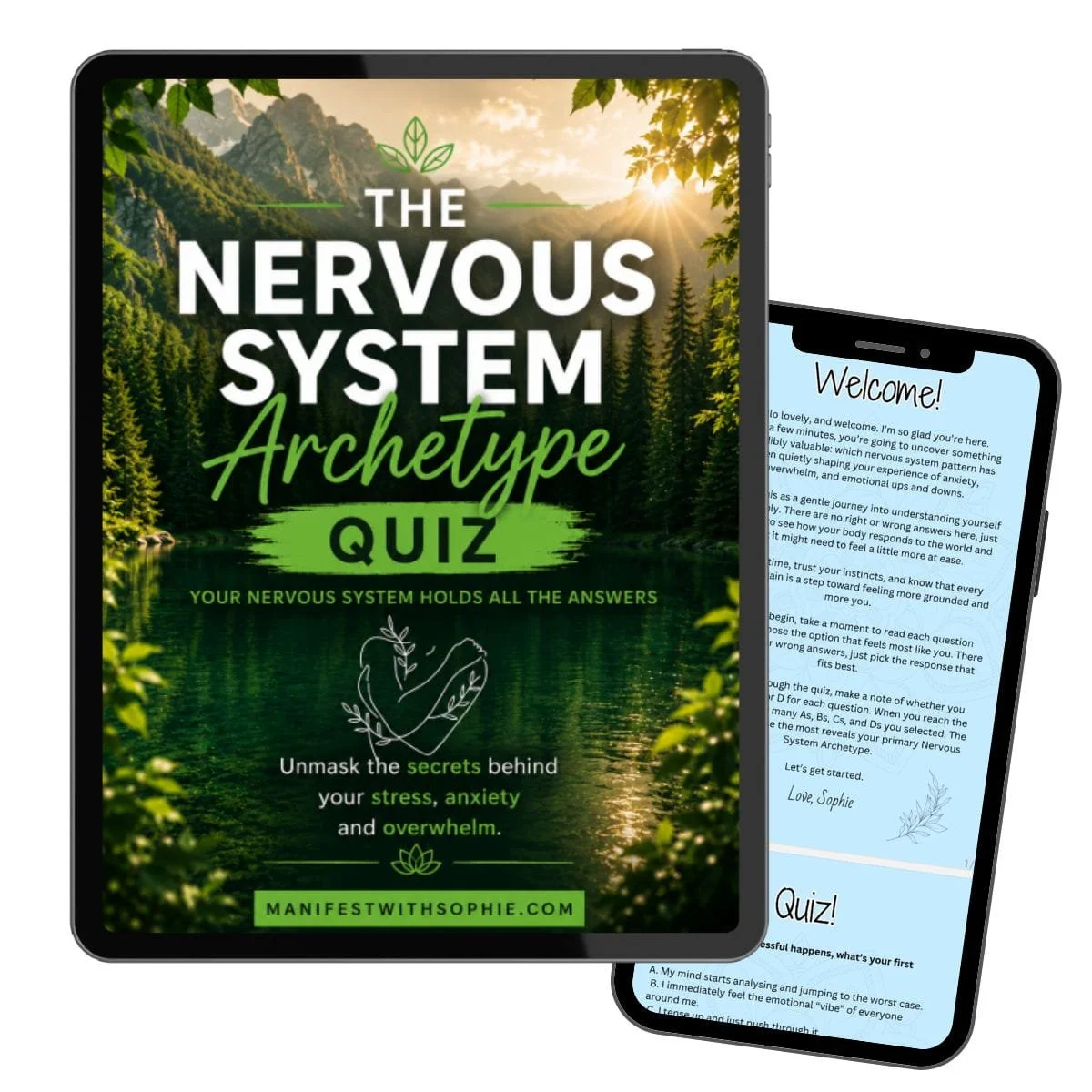
Take my free Nervous System Archetype Quiz below to discover which of the 4 archetypes you have and how that affects the way you respond.
1. You Feel the Need to Explain Every Decision
You make a perfectly reasonable decision, but somehow find yourself giving a five-minute explanation of why you made it.
Maybe you're explaining why you can't attend something, why you bought something, or why you simply prefer doing things differently.
Deep down, you might be hoping that if you explain yourself well enough, nobody will judge, disagree with or misunderstand you
For more on this read this next: 5 Signs You’re Overexplaining a Simple Decision
2. Someone's Mood Can Completely Change Yours
You walk into work feeling perfectly happy, but your colleague seems a little quiet. Suddenly, you're wondering whether you've upset them or whether you did something wrong to annoy them.
You mentally replay your last conversation, you think about any mistakes you may have made at work, whether you were accidentally rude or said something offensive without meaning to.
Their mood might have absolutely nothing to do with you, but until they seem happy with you again, you struggle to relax.
3. You Rehearse Conversations That Haven't Even Happened
Before a conversation even happens, you've already played it out in your head.
You think about what you're going to say, imagine how the other person might respond, and prepare your answers in advance so you don't come across as awkward, weird, or accidentally say the wrong thing.
You might even do this with completely hypothetical situations, daydreaming about what you'd say if this happened or if someone said that.
What you're essentially doing is rehearsing.
Your nervous system may not feel safe enough to trust that you can simply express yourself in the moment. Instead, it tries to prepare you for every possible reaction, hoping to protect you from embarrassment, criticism or disapproval.
It's not necessarily that you don't know what to say. It's that getting it 'wrong' feels unsafe.
Why Do I Replay Every Conversation In My Mind?
4. You Feel Disappointed When Nobody Notices Your Efforts
You do something thoughtful, work particularly hard, or make an extra effort with your appearance.
You genuinely wanted to do it, but when nobody notices, you feel unexpectedly deflated. You might even feel silly for caring so much.
Sometimes, this happens when recognition has become an important source of reassurance that you're doing well, you're valued, or you're good enough.
When you don’t get that approval or validation, it almost feels like you went to all that effort for nothing.
If that sounds like you then getting approval has been made one of your nervous systems top priority!
5. You Feel Uncomfortable When Someone Disagrees With You
You can logically understand that people have different opinions, but emotionally, disagreement feels surprisingly uncomfortable.
You might immediately question yourself, soften your opinion, or feel compelled to explain why you're not wrong.
It's almost as though you can't fully relax until the other person understands and accepts your perspective.
Because if they don’t understand why you have that opinion, they might misunderstand you as a person and that can feel like rejection to the nervous system.
You may also outwardly agree with the opinions of others around you even if you inwardly disagree because being approved of is more important to you.
6. You Check People's Reactions After You've Spoken
You tell a joke, share an opinion or say something in a group conversation.
Then, almost automatically, you scan people's faces.
Did they laugh? Did they look interested? Did somebody seem annoyed?
You might barely notice yourself doing it, but you're looking for little signals that you've been accepted.
7. You Struggle to Enjoy Something Until Someone Else Approves
You’ve bought an outfit you absolutely love. You feel confident wearing it, and you're excited to show it off.
But then somebody makes a slightly negative comment, and suddenly you're questioning whether you even like it anymore.
You might start wondering whether it actually looks ridiculous, or whether other people will think the same.
The same thing can happen with your hobbies, decisions, achievements or even your personality.
You might feel really proud of something you've accomplished, but when nobody seems impressed, that excitement starts to fade.
It's almost as though your own happiness isn't enough until someone else confirms that you're right to feel that way.
When your nervous system associates approval with safety, trusting your own judgement without reassurance can feel uncomfortable.
Instead of asking yourself, "Do I like this?" you find yourself wondering, "Will other people like this?"
And slowly, other people's opinions begin to matter more than your own.
Why Does Seeking Approval Feel So Compulsive?
Here's where your nervous system comes in.
Your nervous system is constantly responding to signals of safety and potential danger, including social situations.
If you've experienced frequent criticism, rejection, unpredictable reactions or felt that you had to keep other people happy, your nervous system may have learned to associate approval with safety.
Approval feels safe. Disapproval feels threatening.
So when someone seems unhappy with you, your body might respond with tension, anxiety, a racing heart or that horrible unsettled feeling that something isn't quite right.
You may then feel an almost compulsive urge to explain yourself, apologise, please them or seek reassurance.
And when you finally get their approval? You feel relief.
That relief can reinforce the habit of looking to other people to feel okay.
It doesn't mean you're weak, needy or lacking a personality. Your nervous system may simply be responding to a pattern it has learned over time.
Of course, not every desire for approval comes from a nervous system threat response. Wanting acceptance and connection is a normal part of being human.
But when getting approval feels like something you need rather than something you'd simply like, it's worth getting curious about what's happening underneath.
Learning to Feel Safe Without Everyone's Approval
Building self-confidence isn't about becoming someone who never cares what other people think.
It's about learning to trust yourself, even when somebody disagrees with you.
And part of that starts with how you speak to yourself.
Think about the last time you felt embarrassed because somebody didn't approve of something you said or did.
Did you tell yourself, "I'm so stupid," or "Why am I always like this?"
Now imagine a little child standing in front of you, upset because somebody didn't like them.
Would you tell that child they were stupid for wanting to be accepted?
Of course you wouldn't.
If you wouldn't say it to a child, please don't say it to yourself.
You deserve the same kindness and patience you'd offer somebody you love.
Learning to speak to yourself more gently is an important part of healing your inner child, building self-trust and becoming less dependent on external validation.
And as you begin to recognise the situations that trigger your need for approval, you can gradually practise responding differently.
The next time you notice yourself looking for reassurance, try asking yourself, "Am I looking for their opinion because I genuinely value it, or because I'm uncomfortable trusting my own?"
You don't have to convince everyone that you're good enough.
You can learn to feel safe being yourself.
Discover What Your Nervous System Is Trying to Tell You
If you recognise yourself in these signs, your nervous system might be playing a bigger role in your everyday emotions and behaviours than you realise.
Take my free Nervous System Archetype Quiz to discover your unique patterns, understand why you respond to certain situations the way you do, and start exploring what helps you feel calmer, safer and more confident in yourself.
Because you deserve to feel good about who you are, even when nobody else is there to reassure you.
