
Why Does Seeing Friends Together Without Me Hurt So Much
You open Instagram and see a photo of your friends together.
Maybe they have gone for drinks, met for dinner or planned a day out. Everyone looks happy, and then it hits you.
Nobody invited you.
It may not even be the activity that bothers you. You might not have wanted to go.
What hurts is realising that plans were made, people were considered, and you were not one of them.
Your mind immediately starts asking questions.
Did they deliberately leave me out?
Have I done something wrong?
Are they closer to each other than they are to me?
Do they actually want me around?
Seeing friends together without you can bring up rejection, embarrassment, jealousy and loneliness all at once.
You may then judge yourself for caring so much.
But feeling hurt does not mean you are dramatic or needy. Being included helps you feel secure in your relationships. When you are unexpectedly left out, it can make you question where you stand.
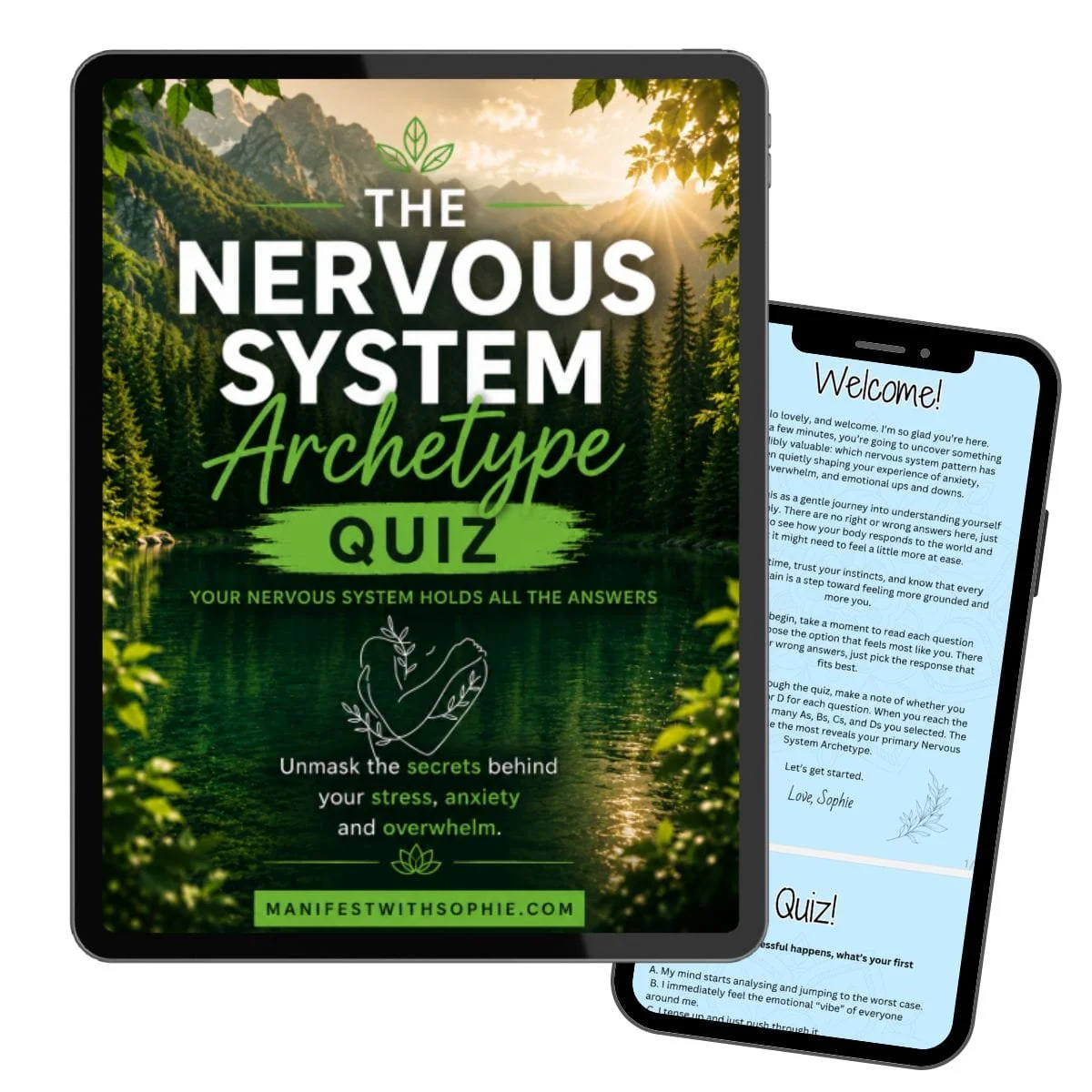
If being left out can send you spiralling replaying every interaction, questioning where you stand and wondering what is wrong with you take my free Nervous System Archetype Quiz.
It will help you understand why rejection affects you so deeply and what your mind and body are trying to protect you from.
Why Does Not Being Invited Hurt So Much?
A missed invitation may seem like a small thing, but your nervous system does not only react to what is happening now. It can also react to everything this moment reminds it of.
1. Your Body Can Register Exclusion as a Threat
Before you have even had time to think clearly, your body may already be reacting.
Your chest might tighten. Your stomach may drop. You may feel hot, shaky, sick, frozen or suddenly unable to focus on anything else.
That is because your nervous system can interpret social rejection as a threat. Feeling connected, accepted and included helps you feel safe.
So when you realise your friends made plans without you, your body may respond as though your place in the group is in danger.
This reaction can happen very quickly, before the rational part of your mind has had time to consider other explanations.
You are not choosing to overreact. Your body is trying to protect you from something it believes could lead to rejection, disconnection or being left alone.
2. The Reaction May Be Connected to Past Experiences
The pain you feel now may be connected to things that happened long before this particular invitation.
Perhaps you were bullied, left out at school or regularly made to feel like the least important person in the group. Maybe friendships ended suddenly, people became distant without explaining why or you were only included when it suited them.
Repeated experiences like these can make you more sensitive to signs of rejection in the future.
So when you see your friends together without you, your body may not react only to what is happening now. It may also react to every other time you felt unwanted, forgotten or pushed aside.
The current situation becomes linked to the past, which is why the emotional response can feel much bigger than the event itself seems to justify.
3. You May Not Be Able to Identify One Specific Cause
You do not need to have experienced one huge, obvious event for your nervous system to become sensitive to rejection.
Sometimes the response develops through repeated smaller experiences.
It could come from being overlooked, having inconsistent friendships, feeling like you always had to earn your place or constantly wondering whether people really wanted you around.
None of those moments may have seemed dramatic on their own. But over time, they can create a pattern in which your body expects connection to disappear.
You may not be able to point to one exact memory and say, “That is where this started.”
That does not make your reaction less real.
Sometimes the body remembers an overall feeling rather than one clear event: the feeling of being less important, easily replaced or never completely secure.
4. Your Mind Tries to Protect You by Finding an Explanation
When you do not know why you were not invited, your mind tries to fill in the missing information.
It replays recent conversations, analyses messages and searches for anything you may have done wrong.
You might wonder whether they find you annoying, whether somebody has been talking about you or whether they all secretly prefer being together without you.
Your mind is not doing this because it wants to make you feel worse.
It is trying to protect you by identifying the threat.
If it can work out why you were excluded, it believes it can stop the same thing happening again. You might change your behaviour, become more agreeable or avoid getting too close to people.
Unfortunately, this protective response often creates more anxiety because assumptions begin to feel like facts.
5. This Reaction Does Not Have to Stay This Intense Forever
Seeing friends together without you may currently trigger an immediate wave of hurt, panic or self-doubt. But that does not mean you will always react this strongly.
Your nervous system learned to connect exclusion with danger through past experiences, repeated disappointments or times when belonging felt uncertain. Because this response was learned, it can also be softened.
As you build more safety within yourself, you can begin to recognise the difference between feeling disappointed and being genuinely unsafe or unwanted.
You may still feel hurt when you are not invited, because being left out is painful. But it does not have to make you question your entire friendship, your worth or whether everyone is going to leave.
With time, your mind and body can learn that one missed invitation is not proof that you do not belong.
How to Feel Safer When You Have Been Left Out
The answer is not to force yourself to stop caring or convince yourself that being excluded does not matter. It is to help your mind and body recognise that this painful moment is not automatically proof that you are unwanted or unsafe.
Before analysing the situation, plant both feet firmly on the floor and take three slow breaths, making each exhale slightly longer than the inhale.
Feeling the floor beneath you brings your attention out of the imagined rejection story and back into the present moment.
Slowing your breathing can also signal to your body that there is no immediate danger, giving you a better chance of thinking clearly instead of reacting from panic.
Then divide a journal page into four sections:
What happened:
Write only the facts, such as, “My friends went out, and I was not invited.”
What my fear is telling me:
Write the story your mind has created, such as, “They do not want me around.”
What else could be true:
List a few other possibilities, including neutral ones. You do not need to convince yourself that everything is fine, only remind yourself that fear does not know the full story.
Who I know myself to be:
Finish by writing down positive qualities that remain true regardless of whether you were invited. Perhaps you are kind, loving, loyal, thoughtful, funny, supportive, emotionally aware, dependable, generous, honest, compassionate or someone who makes other people feel seen.
This final step matters because rejection can make you view your entire worth through somebody else’s behaviour.
Reminding yourself who you are helps you return to your own sense of value instead of letting one painful moment define it.
When Being Left Out Sends You Into Overthinking
People are often so wrapped up in their own lives that deliberately excluding you may never have crossed their mind at all.
Our minds can turn one painful moment into a full self-critical spiral, so the more you can regulate your nervous system, remind yourself that you are safe and remember that other people have entire worlds going on inside their own minds, the less likely you are to make their behaviour mean something painful about you.
If moments like this can leave you questioning yourself, overthinking every detail or feeling like you suddenly do not know where you stand, take my free Nervous System Archetype Quiz.
It will help you understand the pattern your mind and body fall into when you feel rejected, so you can start giving yourself what you actually need in those moments instead of getting pulled deeper into the spiral.
